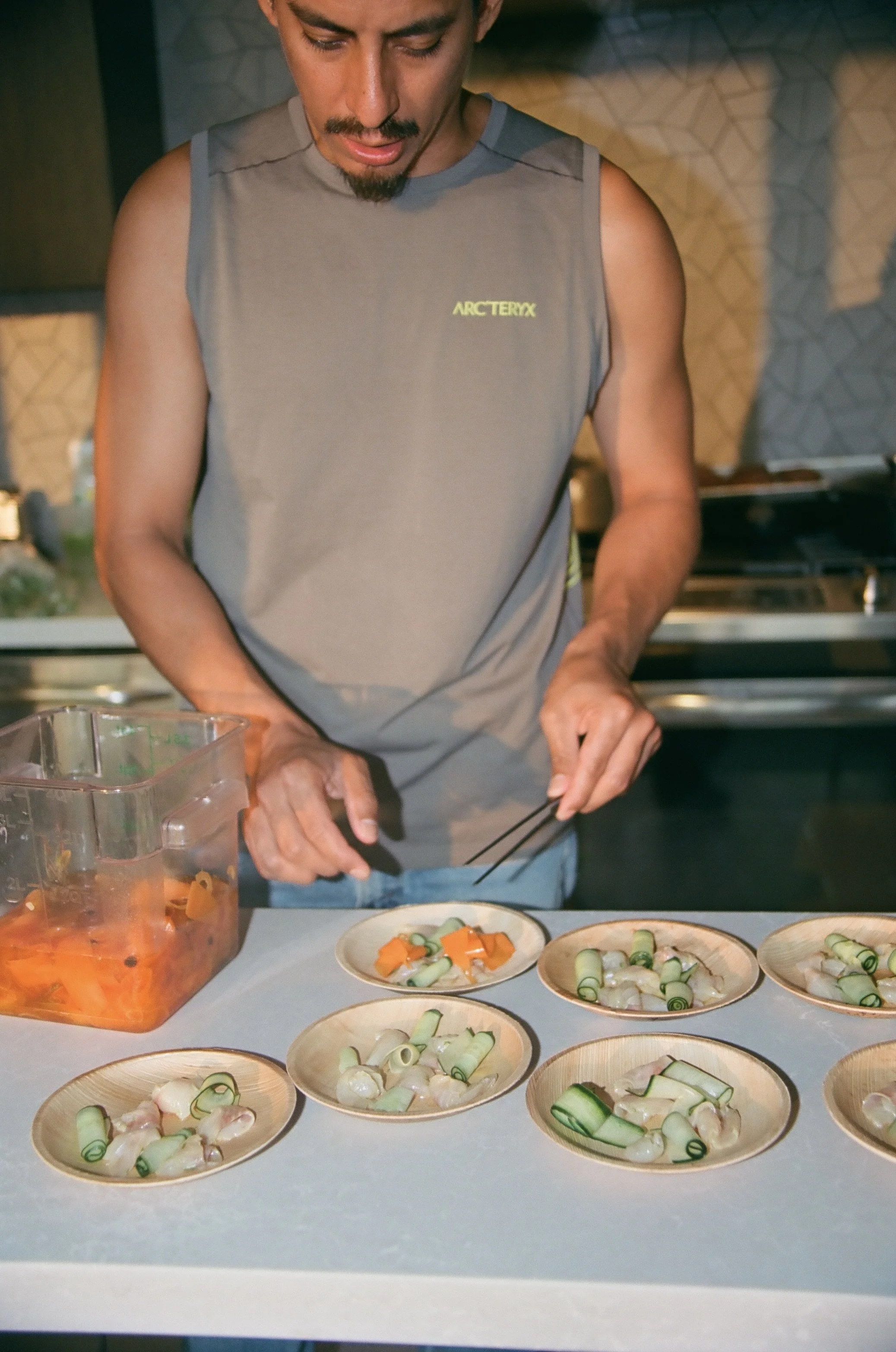
Luis Gomez
I’ll say it because he’s too humble to, but Luis is one of the most gifted chefs I’ve met. He’s cooked in some of the city’s most renowned kitchens alongside some very remarkable chefs. His range is impressive from fast to fine dining; he approaches each experience with the same level of passion & care for creating the best final product/dish.
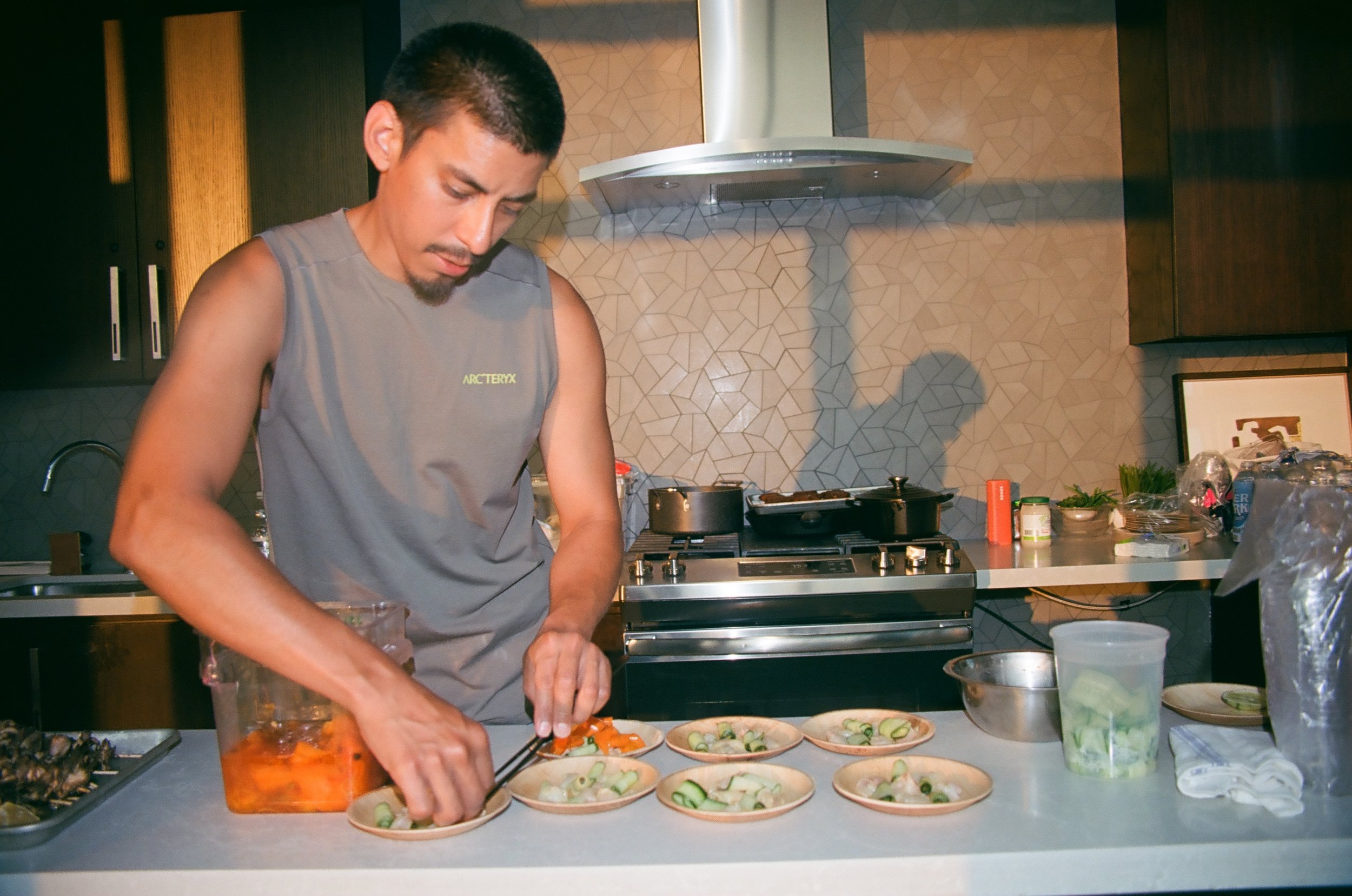
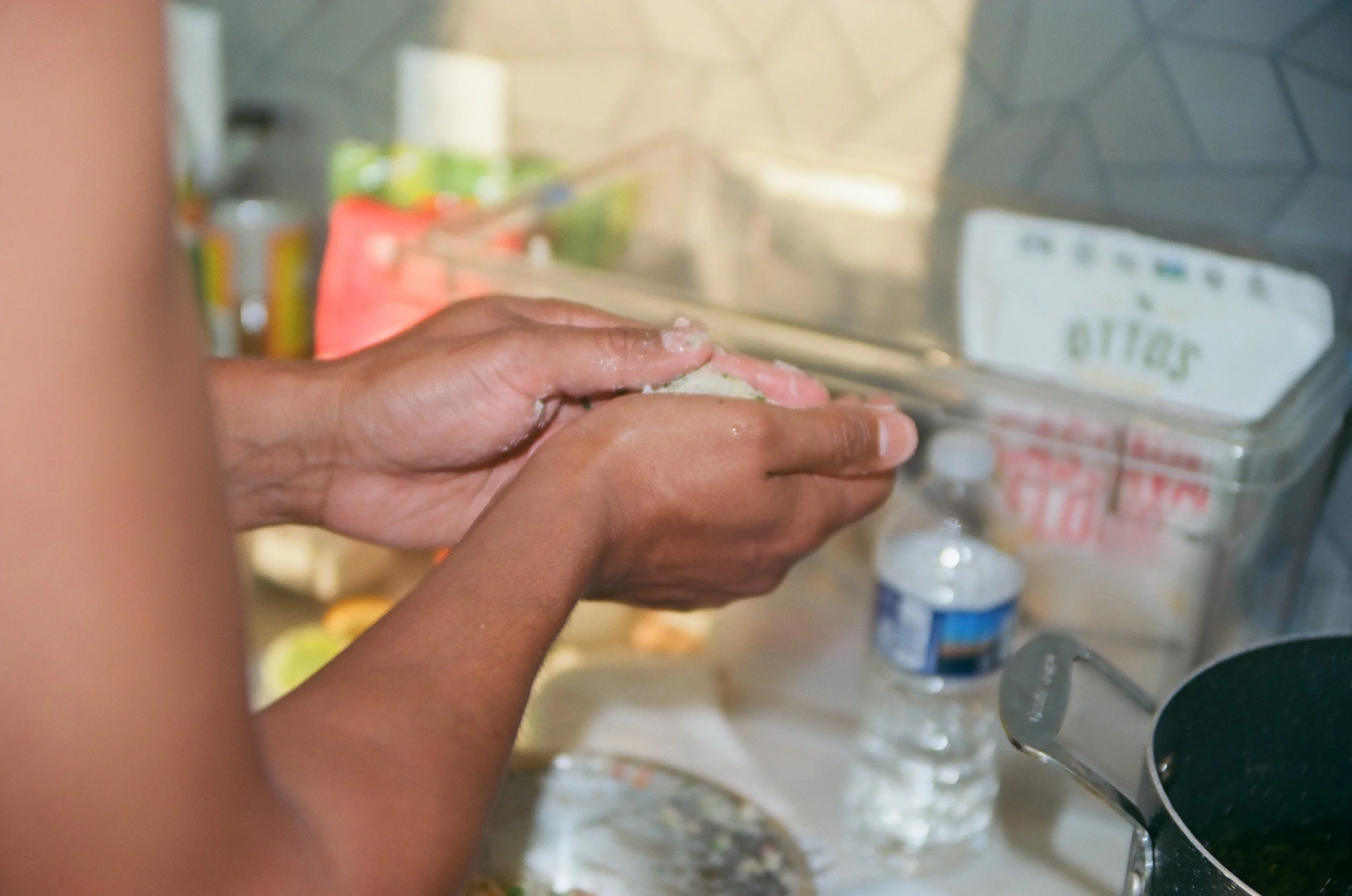
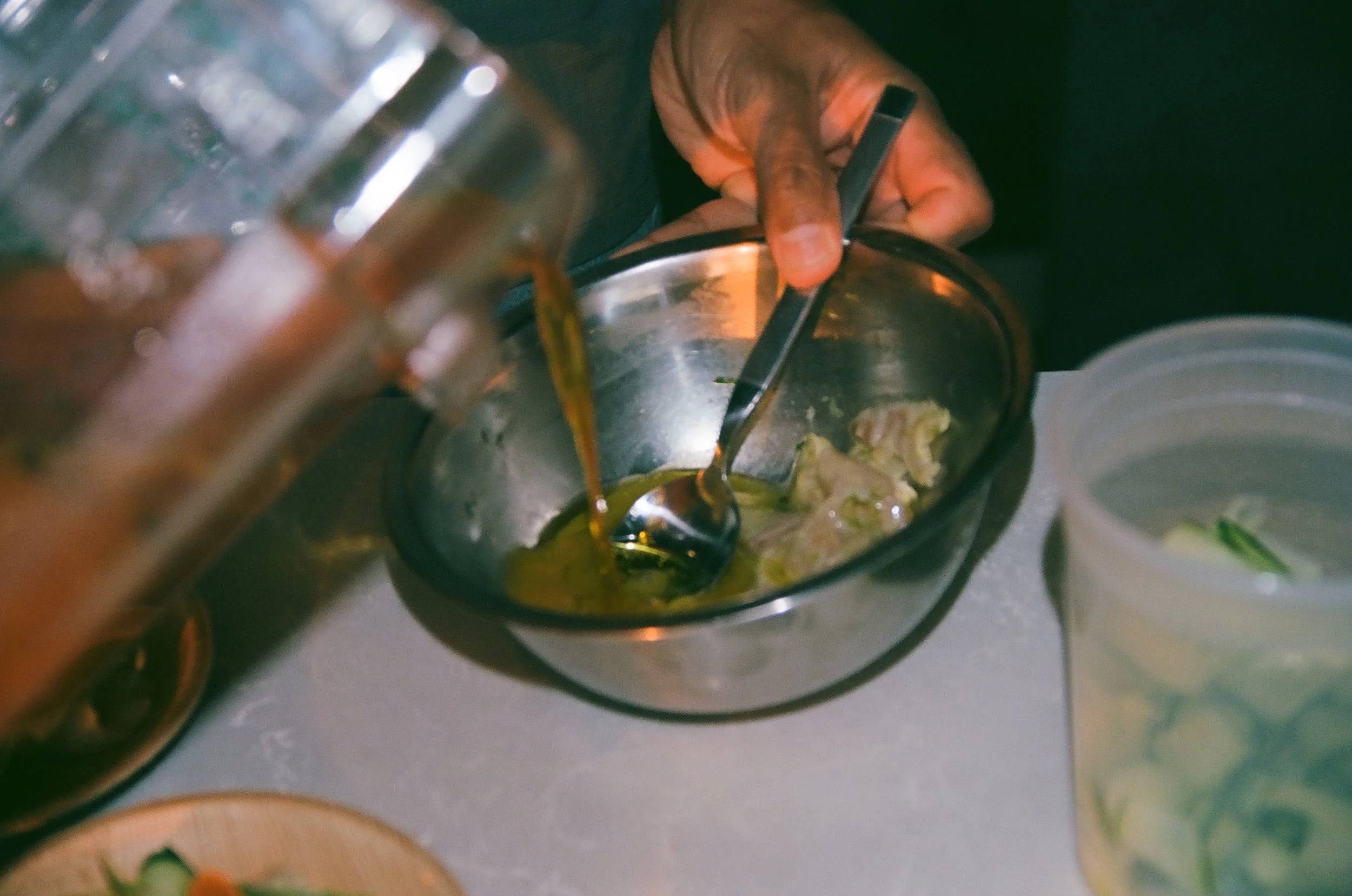
Berchel: Lu, there’s a lot I want to discuss about your past, introductions to cooking, your journey as a chef and how your upbringing shaped your approach to cooking? I think a great place to start is your household as a child. Who did majority of the cooking in your household growing up?
Luis: My mother pretty much was the only cook, and then once my brother was of a certain age, he started cooking for us; my younger siblings and I.
Berchel: Your older brother?
Luis: Yeah, my older brother. It wasn’t anything crazy — he loved to eat so it became his responsibility to handle the cooking as we got older.
Berchel : What's the age gap between you and him?
Luis: We are six years apart.
Berchel: Did you ever do any helping out with the cooking as a young kid?
Luis: Well even back then there was still an order to things, like working in a restaurant, you still had to work your way up. When I was younger, my role would be setting the table. That consisted of cleaning dishes, preparing the spaces at the table, laying out the cutlery, etc. It then progressed to combing through the items in our fridge to see what my brother and I could make. Even if it was like box/ prepackaged foods, you know, my older brother was doing what he could. I'll say that.
Berchel: Bro was improvising.
Luis: Yeah he made sure we all were fed.
Berchel: What scents and flavors remind you of your childhood, of your Mom’s or even your brother's cooking? What sounds are familiar when you think of those memories?
Luis: This might be a wild one, but cigarettes. I swear.
Berchel: Whether it was your brother or your folks?
Luis: Yeah. In the crib with it, bro. To be honest with you, like cigarette smoke, for sure. Mothball? Are you talking food?
Berchel: Yeah let’s talk about food and the kitchen.
Luis: I thought this was like a coming-of-age question. All right.
Berchel: I’m talking more food specific.
Luis: I’m just thinking about my mother’s pork chop. My mom used to fry a mean pork chop. She’d make them all the time. And you can just hear the grease popping. So that grease, you’re smelling heavy scents of that grease and hearing it pop throughout the entire time of her cooking. Also, I could smell sazon; the one in the mega orange/hyper orange package of seasoning. A big dish in our household was sofrito. The house would smell of onions whenever my mom’s made it. And as far as sounds, there's Spanish music playing loud, and it just felt like that was exactly how it was supposed to be.
Berchel: Were there any family traditions centered around food? Like, I know, for my folks, we always have Sunday dinner that was a big thing.
Luis: Yeah the family dinners were a big deal and stayed consistent through my teenage years. Even as I got older, while my interests and responsibilities may have shifted, I still try to make it to every family dinner and celebration.
Berchel: Do you feel like there's a connection between family and food?
Luis: Yeah, absolutely. I try to honor my family in different ways and bridge the gap through food. As we break down the menu for our first dinner service, the ceviche is an example of that connection. Ceviche was my mom's go-to holiday dish. I don’t know if it was because it was from home and my mother’s hand but that dish just hits different from any other ceviche I’ve had. To this day, she’s still running it back for every family holiday dinner.
Berchel: What other dishes from your childhood do you revisit or feel like you may cook the most often today? Maybe not even realizing that subconsciously.
Luis: I don't know man, there’s something about just making white rice properly. Trying to perfect it. My grandmother's white rice was always perfect. Every time. Then my mom used to put a paper towel and then a plastic bag on top of the pot of rice while it’s cooking and then poke holes in the middle of the bag. Just like, what are you doing? As a kid I’m thinking she's like a wizard or a witch or something. It was almost like she was toasting the rice. Those techniques are sacred to me.
I feel like the struggle meals were literally all I grew up eating, like, microwave meals and canned foods, for real. I was a Salvation Army baby, you know? My family used to get in line to go get meals with people from all walks of life. It was a crazy time and experience, but also very humbling. But then again everything about that was the communal aspect of it. I guess we call that family.
Berchel: That's what we’re all trying to recreate the most. I feel like that's exactly what we're doing with “Dinner’s Served”. That's very much our approach to it; having it feel like family dinners.
Luis: For sure. Sometimes even when it's not forced or planned, food is somehow the central catalyst of all that. Thinking of friends, those times when y'all have nothing to do, and y'all don't really want to have to go out for entertainment. The thought always goes to “let's get some food.” Even if it’s as simple as throwing some food on the grill. I got to eat, you got to eat today. Let's eat together. Like, that's how it always is with family.
Berchel: What was your earliest memory of cooking? How’d it feel when you finally got that chance to wield a knife and chop up some of the ingredients for your brother or helped your mom out while she cooked. Around what age were you when that took place?
Luis: Ever since I could remember I just wanted to do what my big brother was doing. I’d pretty much shadow him in our family’s kitchen. Once I got in a restaurant kitchen, it was that muscle memory from watching my brother for years. At this point when it came to cooking I didn't have to think about it. I wasn’t looking up recipes or any references. I was going off gut-feelings; everything was based on intuition. The first time I fried that egg. And I could flip it, and I break it, I truly thought I was doing something!
Berchel: Early on in your journey as a chef, did you have any mentors?
Luis: No, not really. Early in my culinary journey, I was really into watching the Food Network & Cooking Channel. They’re literally walking you through making each dish, I’d watch and practice cooking it on my own. I was glued to the different techniques, personalities, experience and experimentation of the chefs on these shows. So now I approach every kitchen I service with a certain level of humility; I hold each chef I’ve worked with to a high regard. But to answer your question and name someone, I’d say Rob Ruba. Rob Ruba has a restaurant called Oyster Oyster. It features an exclusively vegetarian menu. And bro's just like a wizard. Dude has a green Michelin star; that’s harder to get than the regular one. But that’s neither here nor there. We just worked together a long time ago, and I’ve been locked in with him since.
Berchel: What were some of the lessons you pulled from just watching him or being in his kitchen?
Luis: He was extremely thoughtful and mindful. At that time, when I met him, the reputation for that level of chef was just very outlandish. You hear about the shit, then when you’re working in these kitchens you really see the shit firsthand. It helped seeing somebody who was zen about it, you know what I'm saying? I’m just trying to approach things in a more resourceful manner. He was all about sustainability.
Berchel: I'm even thinking of every depiction you see in a kitchen, or the peeks into those Michelin restaurants or chefs and the energy is always super chaotic, fast-paced and very challenging. You just spoke on being zen. What are some things that keep you grounded in those moments where the kitchen might be on fire?
Luis: I used to have a coworker and we’d go meditate together in the parking lot during shifts. We would sometimes meditate prior to the shift even starting just because we already knew what to expect. You go through it every day, so why put yourself through it again every day? We’d hit that parking lot. And just, like, sat in between some cars. Just played, like, a guided meditation. I’m fully in my apron and my chef whites and shit, not wanting to do it, but I just realized the big difference it made compared to shifts that I didn’t ground myself. Also, when everything's hectic, you feel like you can't see through that shit you have to figure out how are you going to get out?
Berchel: Yeah, somebody has to be able to see through the fog and steer the ship.
Luis: Or I just zoom out, honestly, in the larger scheme of things we are small and the issues we deal with most times aren’t the end of the world. I just stay mindful that there’s bigger things going on outside of this kitchen. It’s about perspective and that's humbling for me. That shit has to happen. It's inevitable, you have to go through it. But it's all about how you approach it, bro. You got to uplift your fellow team members, you know? Everybody must be on the same page.
Berchel: And then I remember you were saying, you spent a lot of time with Food Network. What were some of the TV chefs that maybe stuck out to you or that you admire?
Luis: I mean, Emerald Lagasse, for sure. I remember he was like the king. He certainly is. I’d also watch my man, Jacques Pépin, and his work with chocolates. On his show he’d be building castles out of chocolate. At this point, I had never made or even experimented with chocolate ever. There are other chefs I watched like Rob Rossi, even Wolfgang Puck. There was a very solid cast of chefs who led TV shows then. I can’t forget Julia Childs. She's the OG French PBS chef. She's tight! She's just got everything unlocked. She's so sweet. But for me at the time, watching these various shows seemed more educational than anything else. There was a chef for every facet of cooking, and they each had their own approach. Another chef I was drawn to was Alton Brown. His approach was very much science driven. He’d break the dish down to molecules and it really taught me how and why certain things happened while cooking a dish. I’d say it was very late when I started sipping the Kool-Aid and falling in love with being a chef.
Berchel: Out of all these, like, various kitchens that you've been in, what's been your favorite cuisine to cook?
Luis: I probably have to say Thai food. Thai food is like vibrant. It's fresh. It hits all the, you know, flavor points. Sweet, spicy, salty. Um, yeah. Definitely. You know? That over some, like, white rice? Lettuce.
Berchel: And then, in turn, it's like, when you’re going out for food what’s like your favorite cuisine to eat? Like, it's a go to every time. You know it's going to hit. I don't know, man.
Luis: I'll just say, like, Italian food, bro.
Berchel: Same, same. Something hearty that is going to stick to you.
Luis: That shit speaks to me. I mean, you know, like, growing up... you know, I lived in New Jersey for, like, my younger years, so... mind you, my uncle is Italian, so, like, that motherfucker was Tony to me in real life, bro. Yeah. He used to be on his porch, with the dog. Open the fridge, eating cold cuts.
Berchel: Yeah, I can see his whole vibe already.
Luis: I really understood that archetype; the Italian Mobster/ Made Man. But being around my uncle also opened up the world of food for me; how we ate and how he interacted with his friends was very communal. Everyone felt like family. And even all of the movies that we came up watching, there were always these big spreads of food on the table. It seemed like the only way we’d eat was family-style. It showed me more of what being Italian in America was like. Everything can’t just be red sauce, mozzarella, or some pasta. I like some of the lighter dishes he prepared in the summertime. I just want some fresh food.
Berchel: A cannoli? Would hit so hard right now.
Luis: No bull. A pistachio cannoli would go crazy.
Berchel: What does community look like to you?
Luis: You, Christen, and all of the extended family. I'm fortunate enough to be a part of the cooking community, you know what I'm saying? So many people; too many to name. I’ve been in rooms & kitchens that have produced some of the best people for me in my life. Those are also some of the better experiences, too. That’s the community I want to see and be a part of. There’s something innate to me when I just see other cooks; without even speaking there’s a shared experience and common perspective? For you, it’s probably like seeing somebody with a camera around their neck. I know what you’re about to do, what you’ve done and what you’ve been through. They’re a kindred soul. But, yeah, community is just very much imbedded in what we're about to do with Dinner’s Served.
Berchel: And try to do it at the highest level, it's really us challenging ourselves. Whether it's you with the cooking, Christen with the storytelling & planning, helping to find more depth to this thing, and even me. I want to be intentional with how we're approaching it. I feel like we’re all digging a little bit deeper or trying to push ourselves a little bit harder to come out with the best product for this thing.
Luis: Yeah exactly, that was my stance. No matter what, whatever the result is, bro, it’s going to be a moment regardless, you know?
Berchel: If we can live with it, man. That's all that matters with me. And to wrap it up, who would be your dream dinner guests? It could be friends, family, celebrities, other chefs, whoever.
Luis: James Gandolfini, fucking Tony fucking Soprano. It could have been Jesus. It could have been Robin Williams. But, yeah, man, I think I wouldn't go deeper than that. I’m just thinking one shot, one kill. I mean, I feel like Anthony Bourdain is like an obvious answer. Yeah, easy. You know what I'm saying? I don't even want to probably eat with him, though. He’d probably be good to grab drinks with.
Berchel: Yeah he’d be good for the after’s. Like what do you want to get into for the after’s?
Luis: Oh, no. I'll take $500,000.
Berchel: And with that do you have any final thoughts, bro, anything you want to, like, convey with how we're approaching this thing or anything that you want to get off your chest, like, any final words, gun to your head.
Luis: I mean, my shit is, like John Wick. In all the movies he’d have this line “I am of service, and I've served.” Simple. Even with Dinner’s Served, I truly just want to be of service. You know what I'm saying? It's like an honor to be able to provide that. Now, I want to just do one thing, one thing only for a few months solid, maybe a year or so of just consistency and do it at a high level.
Interview & Photography by Berchel Douglas Jr. - July 2026
Asmara Sium
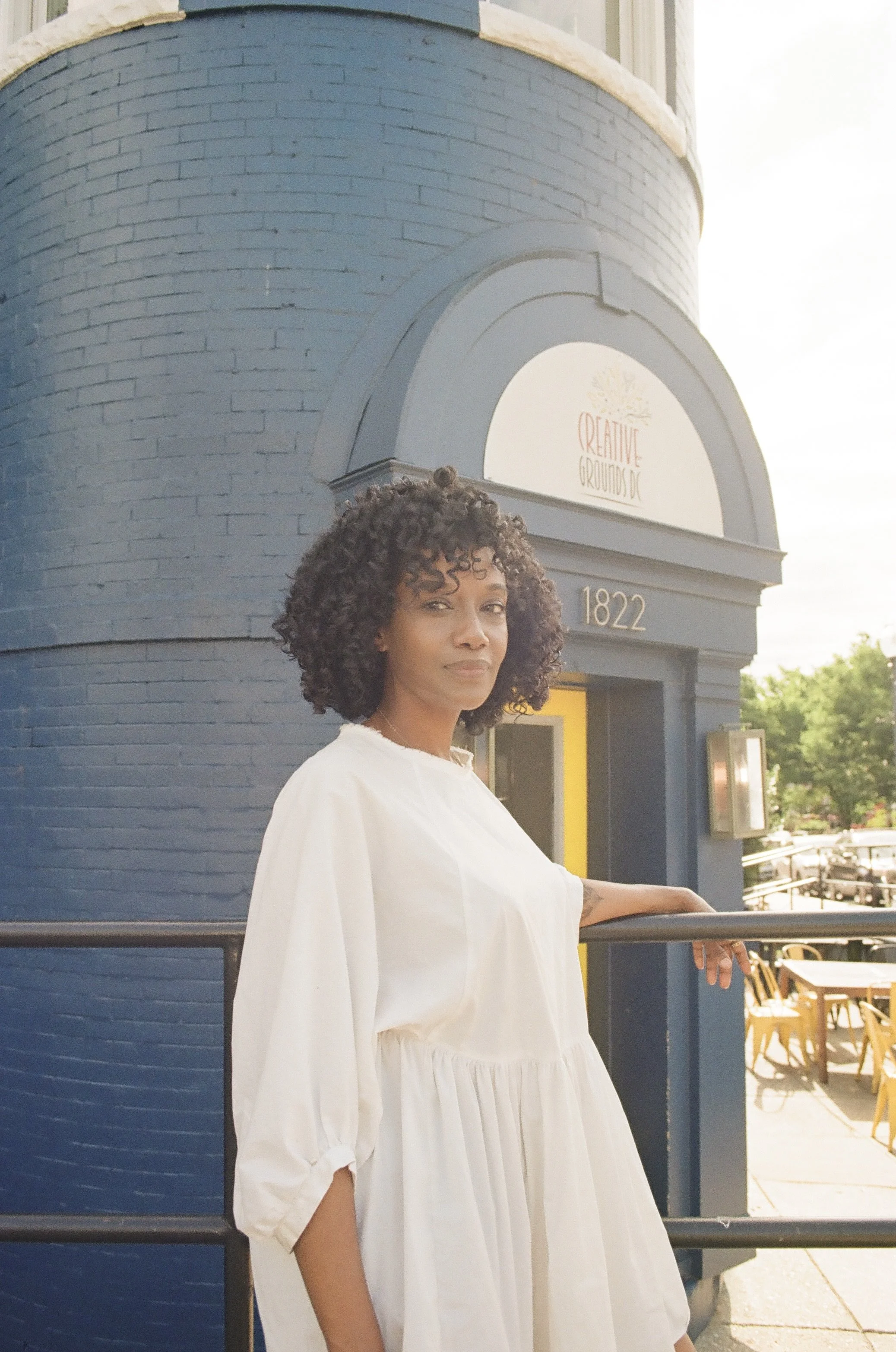
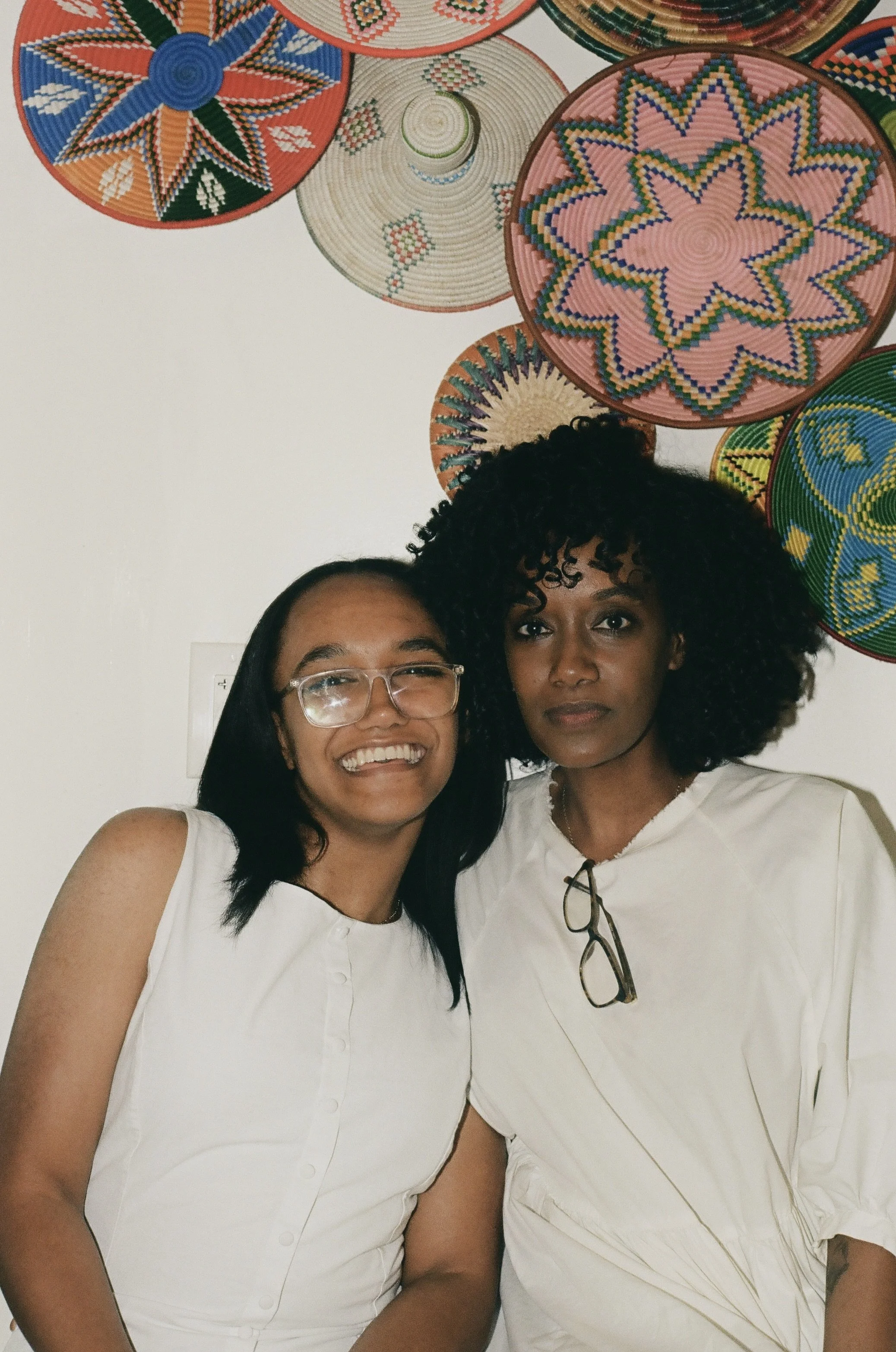
Asmara and Creative Grounds DC have been a constant as I continue to navigate the art landscape in DC. My first feature in an exhibition was on display at Creative Grounds in the winter of 2024. It was during this show I got to see first hand how much of a champion Asmara is for the local art scene. She uses the word steward to describe her role in the area as a business owner, advocate and community leader.
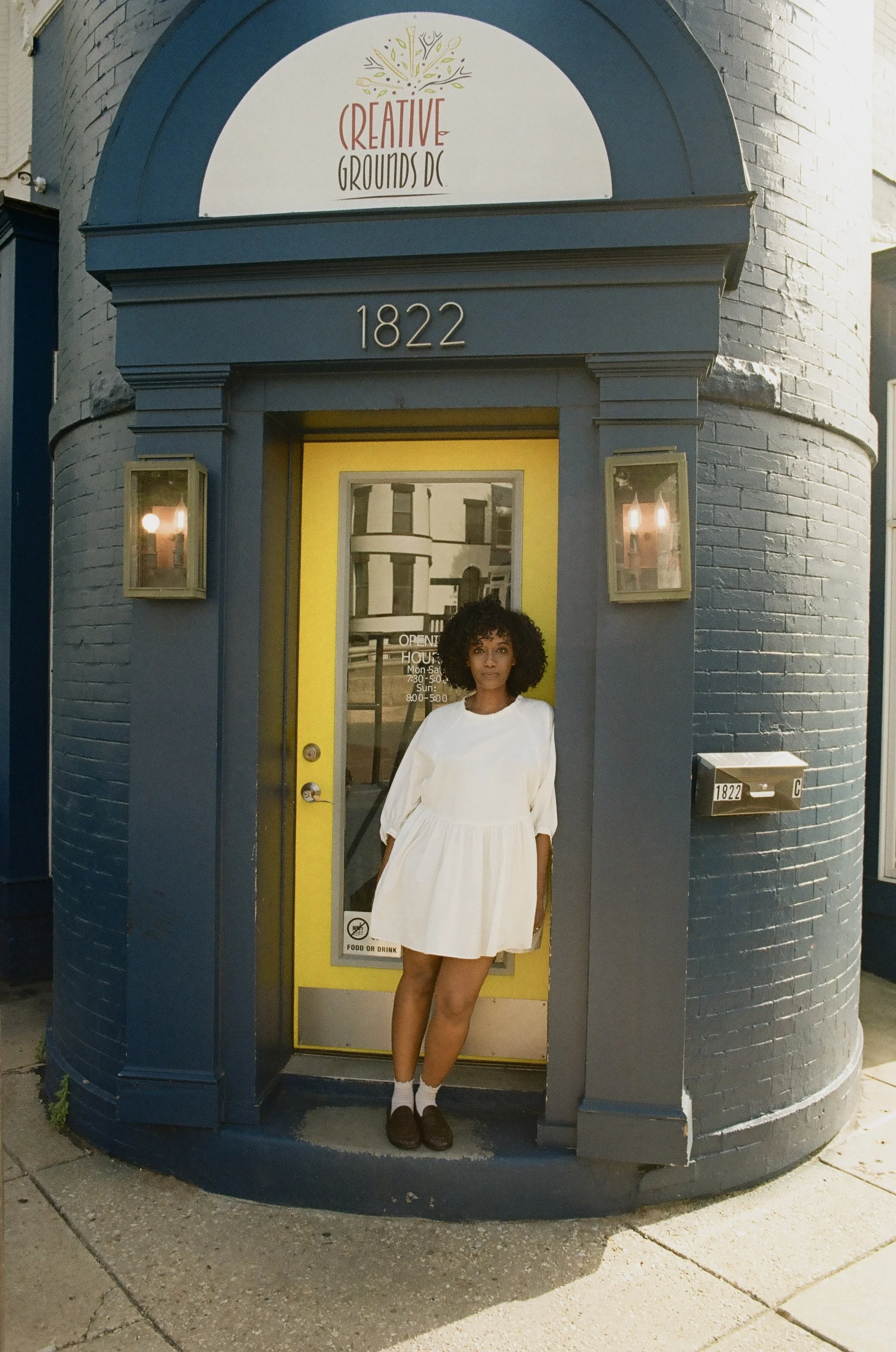
Christen: Hi Asmara! I’m super excited to chat with you and dig into your brain a little bit. I’ve always been curious. Okay! Here’s my first question. How'd you get here? How did Creative Grounds get started?
Asmara: Before Creative Grounds, I served on the Smithsonian’s National Museum of African Art Advisory Board. During my time there, I realized how many emerging artists lacked spaces to exhibit their work without navigating layers of red tape.
I started Creative Grounds in 2019 with a simple goal: to create a place where my neighbors, the arts community, my children, and families could gather around art, books, good people, and meaningful conversation. I lived in the neighborhood and wanted to build a space where people could connect with one another while creating opportunities for artists to share their work, earn income, and be seen.
Christen: What was one of the first examples of community you saw in your childhood?
Asmara: The first example of community I experienced came from my mother. I’m originally from Eritrea, although I was born and raised here and both my mother and my Eritrean identity have taught me that community isn’t something you choose to participate in; it’s woven into everyday life. From our faith traditions to our cultural practices, very little is done in isolation.
Christen: Does your mother continue to create those spaces of community at her age? Or have you seen that change?
Asmara: As she’s gotten older, her priorities have shifted. Today she’s the primary caregiver for her own mother, and to me that’s still the purest expression of community. It’s a generational throughline. Her mother cared for her parents. My mother now cares for hers. The form has changed, but the values haven’t. She now divides her time between Eritrea and the United States, and she remains deeply involved in her faith community, and a supportive women’s group. Community evolves, but responsibility to one another remains.
Christen: What values have you taken from your mom? And maybe some aunties or other folks in your community? And what things do you take and then pass on to your kids?
Asmara: Yeah, that one's easy; dignity. Everyone deserves dignity. EVERYONE. Those small acts of care can have a lasting impact on someone's life. So don't be an ass. If somebody asks you for help, I consider that to be a big deal. See their dignity and not their trauma and show up!
Christen: So, what does community mean to you?
Asmara: Community means belonging. It means being seen. For me, Creative Grounds is the fullest expression of what community looks like today. It’s about intentionally creating spaces, whether that’s a brick-and-mortar café, a backyard gathering, or any place where people can come together to connect, share, and belong. Sometimes the people who become your community aren’t part of your family or your immediate circle. They’re simply people who choose to show up for one another. Those spaces remind us that belonging can extend far beyond the boundaries of our own lives.
Christen: You spoke a little bit about creative grounds being your vessel, essentially to steward community, right?
Asmara: That's my favorite word, stewardship.
Christen: Why?
Asmara: I’ve come to believe that we are not meant to exist in isolation. Nothing meaningful happens without people caring for it together. Stewardship is about caring for one another, caring for our communities, and caring for the planet. It’s recognizing that everything we touch is, in some way, entrusted to us for a period of time. That’s what I try to teach my children. Everything I’ve done in my life, including Creative Grounds has ultimately been an exercise in stewardship.
Christen: Beautifully said. I would love to talk about your experience in your family's kitchen growing up and your family's dinner table. What did that look like for you? What does that smell like? What did it taste like?
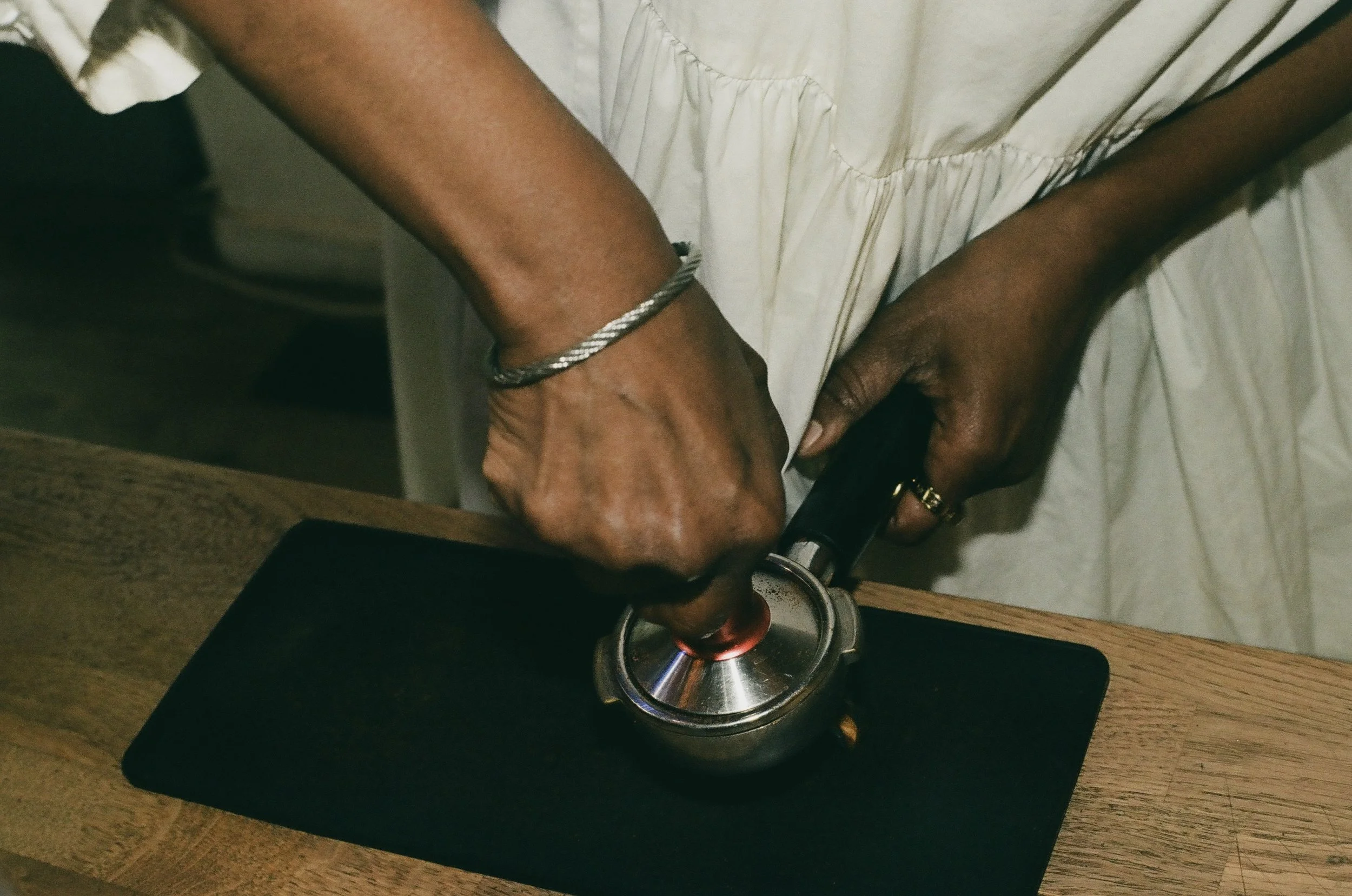
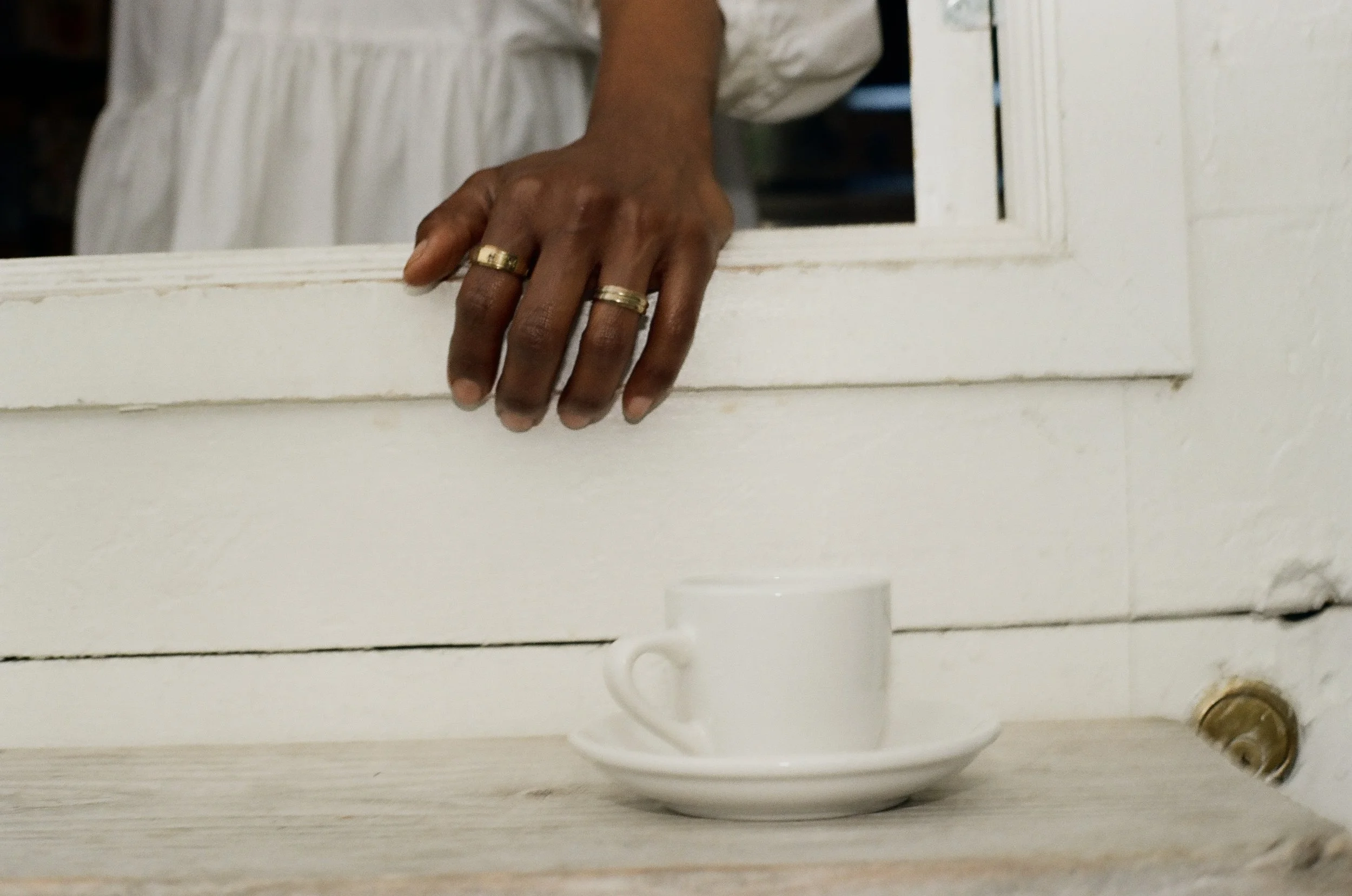
Asmara: Growing up, coffee was always a central component of almost every meal. Coffee is definitely a part of every celebration, every gathering. In terms of dinner, again, because I'm from Eritrea, Berbere, which is our spice, I smell it, I know it, I can identify a time, a place, a person; that triggers certain memories. What does it sound like? What does it sound like? That's a good question. It sounds noisy only because it's not something you eat by yourself. You're eating it with a lot of people.
Christen: What were some of your favorite dishes growing up?
Asmara: Shiro has always been one of my favorites. It’s a rich, lentil-based dish, and since I’ve been a vegetarian for more than twenty year, even before that, I ate very little meat, it has always been a staple for me. I also love hamli, a comforting spinach dish, and timtumo, another hearty lentil-based favorite. And then there’s injera. I could eat injera with just about anything, even on its own with a little salt. It’s one of those foods that simply feels like home.
Actually, I almost forgot my true favorite: ga’at. Unless you’re Eritrean, there’s a good chance you’ve never had it. It’s a warm porridge that’s shaped into a mound with a well in the center. Into that well you add berbere and tesmi, clarified butter, similar to ghee. If the spice is a little too intense, you cool it down with a bit of sour cream around the edges of the bowl. It’s deeply comforting, incredibly simple, and without question my favorite dish.
Christen: Wait, can I have a plate?
Asmara: Of course. I got you.
Christen: Okay, last question! Similar to the dream blunt rotation, who’s your dream dinner rotation?
Asmara: Nina Simone, James Baldwin, Bell Hooks, Fela Kuti, Gregory Isaac or Beres Hammond. That would be so much fun. Um... Did I say Miles Davis? Oh, Miles Davis. And of course, Assata Shakur.
Interview Conducted by Christen Whitaker - June 2026
Photography by Berchel Douglas Jr.
Maurice Scarlett III
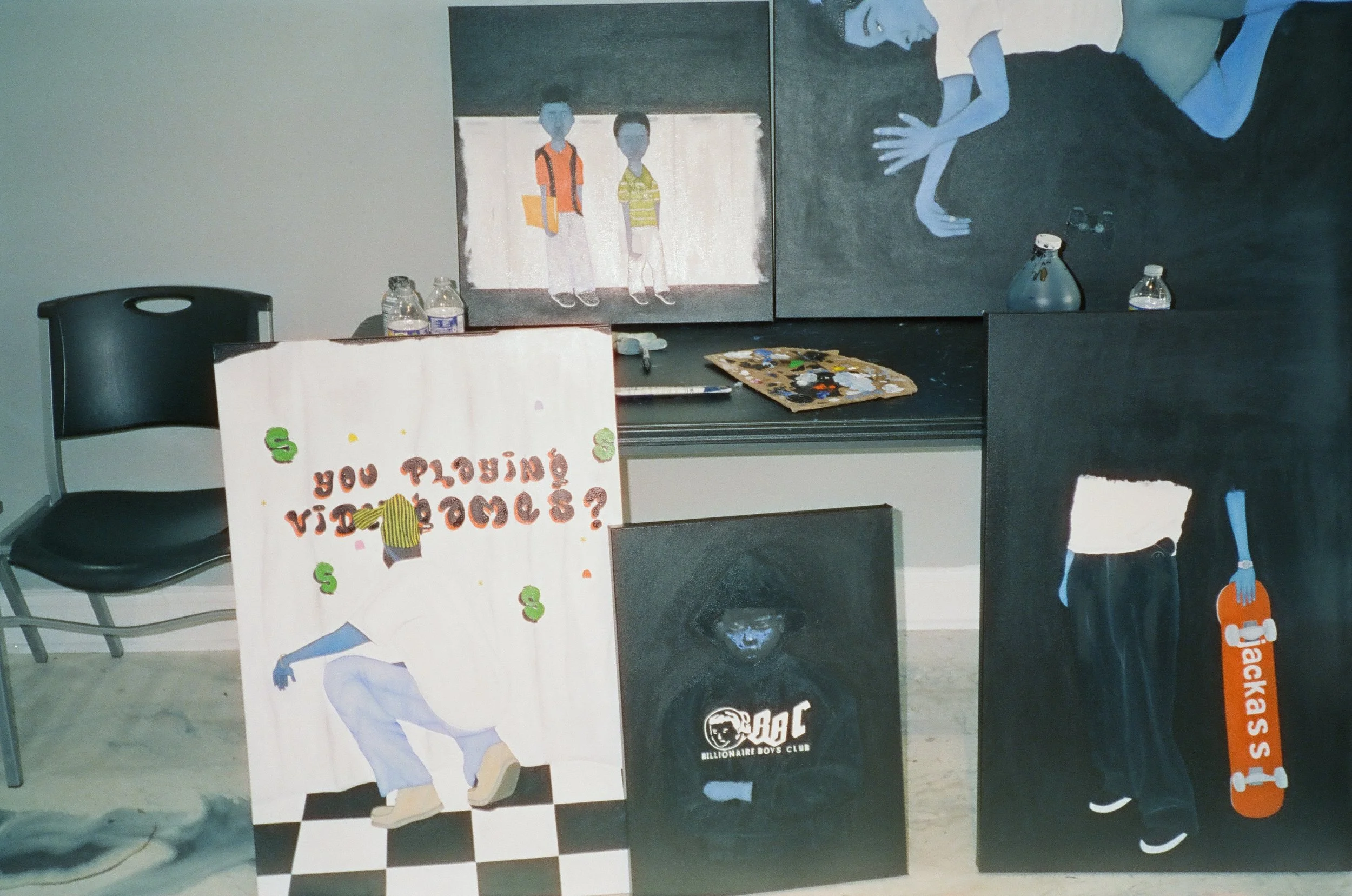
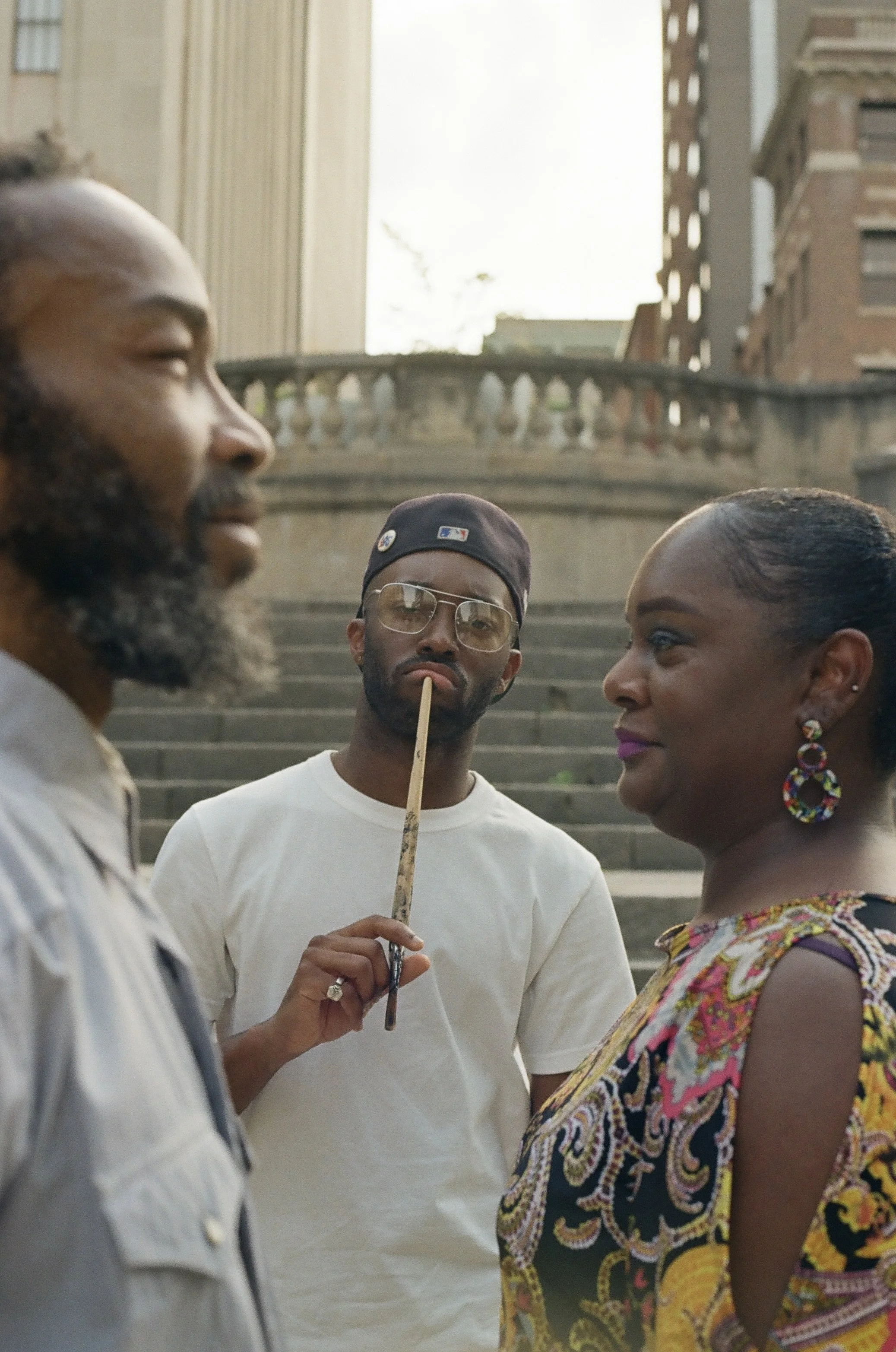
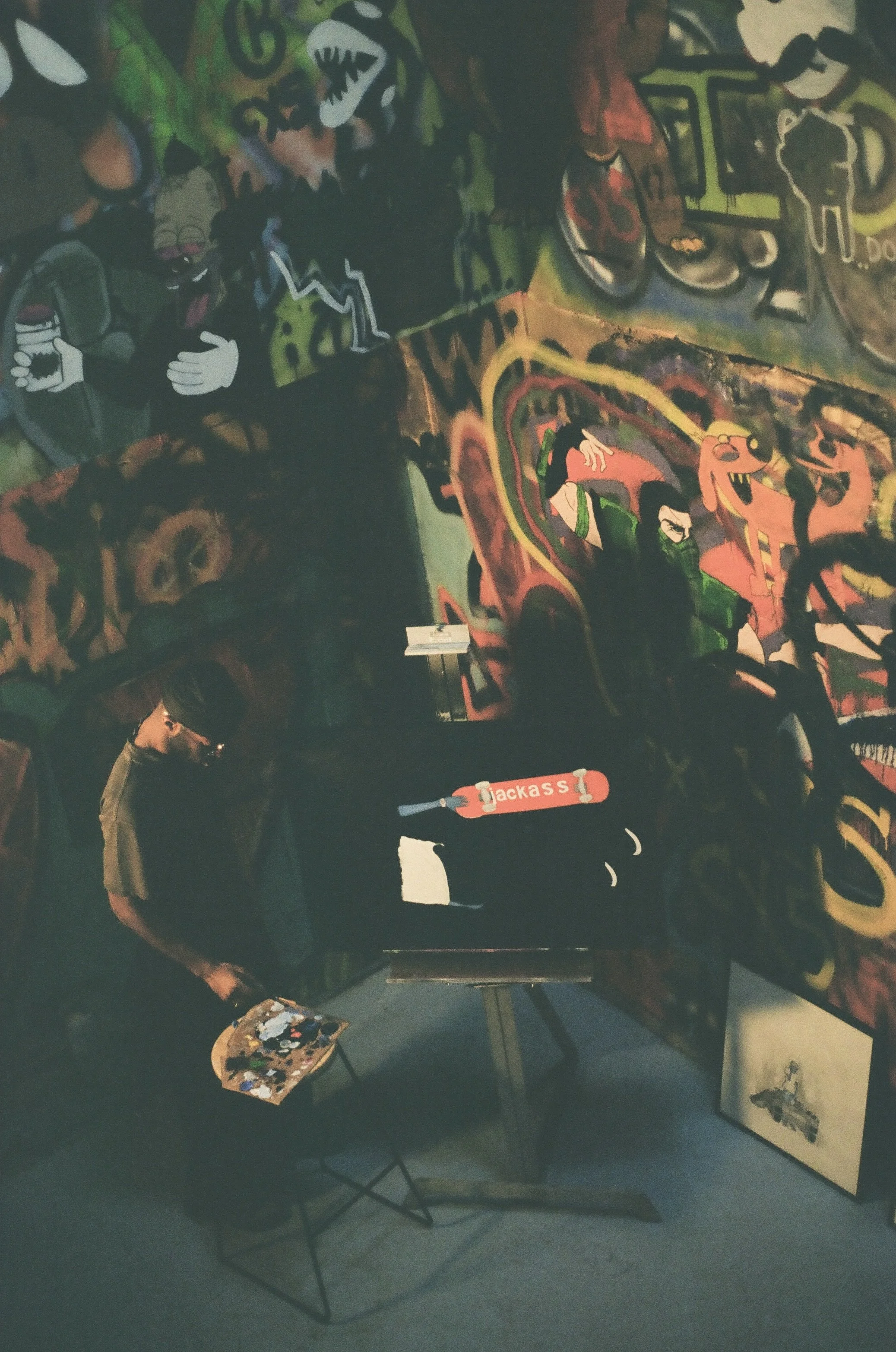
I first became aware of Maurice’s work last year by way of exploring Baltimore’s staple third space, Hooper House & his “Visceral” solo exhibition that was on display during my visit. I was instantly drawn into the contrast of his mysterious dark figures and bold colors that brought each piece together.
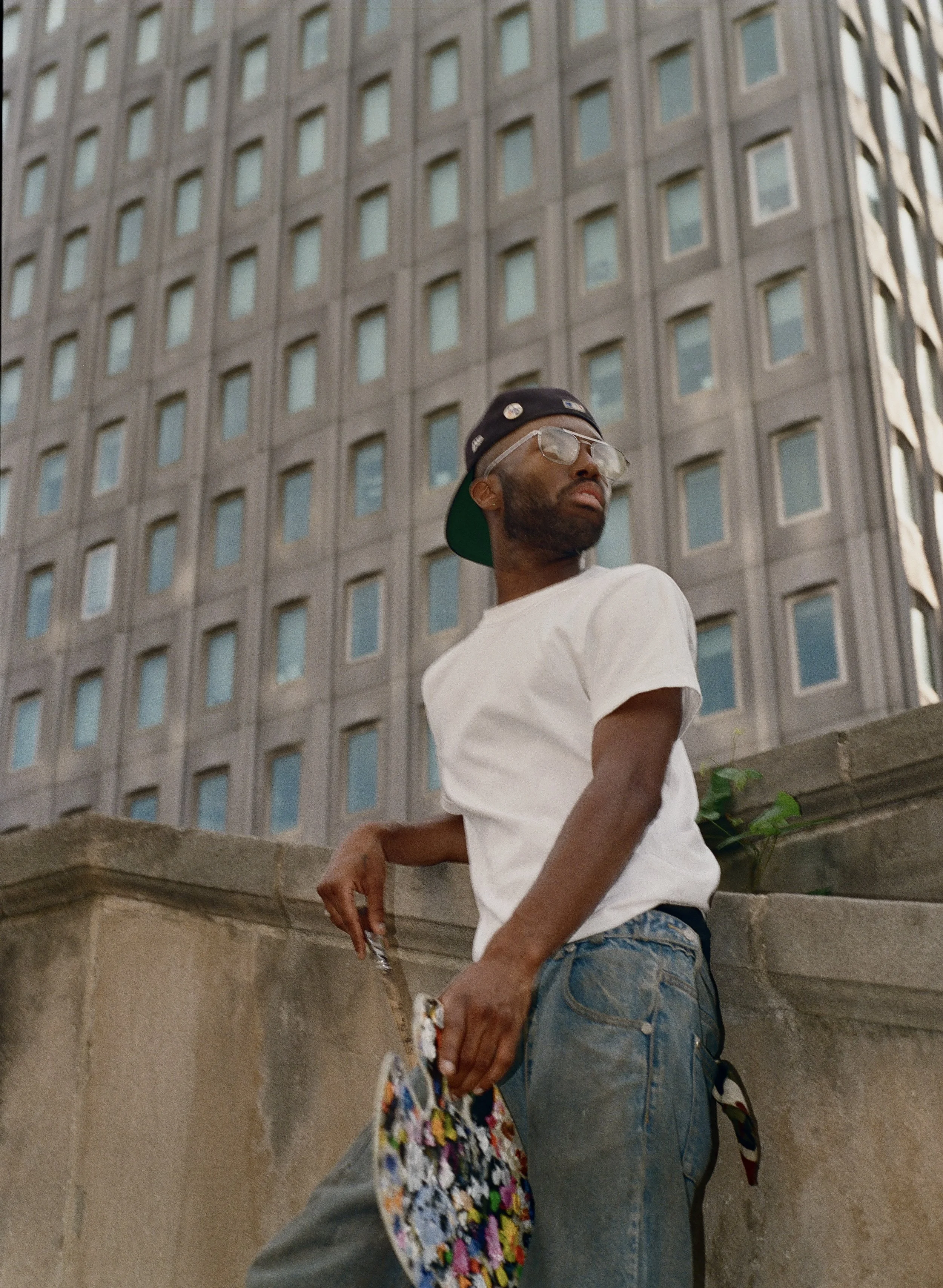
Christen: What's your earliest memory as an artist?
Maurice: My earliest memory was in elementary school. After school, I would come home and look at Toonami on Cartoon Network. I would be looking at Dragon Ball Z, and I would catch myself sketching a lot of the cartoons I was watching, and then I would go to school and show my friends what I did and that kind of led to me becoming an artist in my younger years. So it was a lot of sketching cartoons. I would also sketch a lot of the anime I was watching when I was younger.
Christen: Do you remember how you felt when you would not only watch the cartoons, but I guess kind of participate in that as well?
Maurice: Yeah, I really felt imaginative. I felt like my imagination was growing a lot at that time, and I was sponging what I was seeing through the cartoons and that would comb through my sketches. I just felt very imaginative at that time. Like, I can kind of do anything!
Christen: What made you want to draw the things you were watching and interacting with?
Maurice: I felt like the colors caught my eye at a young age because it was so vivid, especially with Dragon Ball Z. Like the colors you saw in the fight scenes and stuff, I tried my best to emulate it the best way that I can. Some of it was a little shaky early on, but it was a lot of the animation and the colors. It was so vivid to me.
Christen: If you could kind of think back, right? Like, think about that moment when you're sketching, you were probably like sitting on your bed, on the floor. It would be things like crayons or colored pencils. From there to right now, can you share your timeline as an artist?
Maurice: In elementary school, that's where it started. When I got to middle school, I kind of put it on the back burner. I had dreams of being a basketball player. I was putting a lot of focus into that. And then, I wanna say, like, towards the end of my senior year in high school, that's when I slowly started to pick it back up. But ultimately it wasn’t until I was 20 or 21. It was after I seen this Basquiat documentary — it resonated with me so much. That made me pick up the paintbrush, and that sort of led me to where I'm at now. So I already just started off as a hobby, for fun, and then I put it on the back burner, but then after watching the Basquiat documentary, I was like, nah, I really got to start painting now, and yeah, it led to me becoming an artist.
Christen: What did you see in the Basquiat documentary that resonated with you?
Maurice: It was a lot. It was his artistic style, because he wasn't really like a loud vocal person, but he put that in his artistry, and I'm kind of the same way. I put a lot of what I want to say and share in my artwork. But also, it was the impact that he had. It was strong when he was living and even when he passed away. I started to think about how could I not emulate an impact like his, but, like, how can I have an impact of my own? I figured that I could have an impact on art because people always told me I was a good artist, and I was like yeah okay in disbelief. But then when I sold a piece, to really take it more seriously, I was like, oh shit, I can sense it. Like, I feel it. But yeah, it was his style, his impact, and really his mindset. He didn't really let the art world really get to him like that. I feel like now that's resonating with me more now as I'm getting deep into the art world; but it’s really a combination of those things.
Christen: It seems like you may be talking a bit about boundaries. What are some of the boundaries that you're facing now that you’ve made breakthroughs in the art world and in the art community?
Maurice: Patience. It’s patience. Because I feel like we have social media now and it's so easy to compare yourself. So, if you see another artist popping, you start thinking like, damn, I'm not doing enough or I could be doing that. And I've kind of grown to realize, if you say consistent, things are gonna pop off for you, but only when it's meant to be. So, along the way, you just have to be patient and stay grounded and not get discouraged. I feel like that's one boundary I really had to overcome. I'm still learning it as I go, but I feel like now it's gotten easier.
Christen: How do you want people to see you as an artist?
Maurice: I feel like that answer changes a lot for me. I could say as of right now, it’s just as somebody that really loves and cares about what he’s doing as an artist. but also, as an artist that’s looked out for people that were around them, that shared opportunities with them, and that was a mentor for younger artists in Baltimore.
Christen: Now let's move on to talking about your family and the dinner table. What are some of your favorite dishes growing up?
Maurice: On my Caribbean side, it was oxtails, rice and peas, cabbage, and plantains with a side of cocoa bread. That's like my favorite Caribbean meal, but on my American side, hmm. My American side is mac and cheese, collard greens, mashed potatoes, and turkey legs. String beans too. That's my favorite American meal, but it's so much to pick because I'm in two different worlds with that.
Berchel: So, I remember from our conversation, you said that you've traveled to Jamaica. What was the dish that you ate out there? That just has this long-lasting effect on you or this memory?
Maurice: Please don't judge me for my answer, but I have to say KFC. Yo, the KFC smacked so hard out there. Yeah. Please don’t kill me. So, I had it, I was like, yo, y'all eating like this over here? Out there, that KFC is different!
Christen: Alright, last question. You know how people talk about your dream blunt rotation. What’s your dream dinner rotation?
Maurice: I would have to say my grandfather on my father's side, Sade, the singer. And the last person, my mother. I got to say my mother.
Christen: Why your mom?
Maurice: Because me and my mother have a cool relationship, like, she doesn’t always feel like a mother to me. She at times feels more like my little sister. Just our dynamic. Honestly, my grandmother really felt like my mother, my mother felt like my little sister. We got a cool relationship.
Interview Conducted by Christen Whitaker - June 2026
Photography by Berchel Douglas Jr.